Ceremonial vs. Culinary Matcha: How to Identify and Grade High-Quality Matcha Properly
Before we dive into the differences between ceremonial and culinary matcha, it’s important to understand that these labels don’t tell the full story. You might think that "ceremonial" matcha is a universal grade indicating the highest quality, but the truth is a bit more complex.
In fact, the terms ceremonial and culinary are marketing distinctions rather than universally regulated grades. Different companies define these categories in their own ways, which means not all ceremonial matcha is created equal. So, how do you really know if your matcha is high quality? There are several important factors to consider, from where it’s produced to its color, texture, and the way it's cultivated.
Ceremonial vs. culinary matcha: the basics
While both ceremonial and culinary matcha come from the same tea plant, Camellia sinensis, their intended use and quality can vary significantly. Generally speaking:
- Ceremonial matcha is marketed for drinking, traditionally whisked with water for tea ceremonies or daily enjoyment. It should have a smooth, umami flavor, vibrant green color, and a fine texture that creates a frothy, creamy experience when whisked.
- Culinary matcha is intended for use in cooking or baking, where the taste may need to hold up against other strong flavors. It often has a more robust, slightly bitter taste and is less expensive than ceremonial matcha.
However, just because matcha is labeled "ceremonial" doesn’t mean it’s always better or of higher quality than a culinary grade. Companies may use different standards for grading, so it’s crucial to look beyond the label.
How to properly grade the quality of matcha
To assess the true quality of matcha, there are several key factors to keep in mind, including how and where it’s produced, the color and texture, and how the tea leaves were grown and processed.
1. Region of Production
Matcha is primarily grown in Japan, where regions like Uji (Kyoto), Nishio (Aichi), and Kagoshima are known for producing some of the highest-quality matcha. Uji, in particular, is often considered the birthplace of matcha and produces some of the most sought-after varieties due to its optimal growing conditions, rich history, and advanced cultivation techniques. If your matcha comes from these regions, it’s a good sign that you’re looking at a higher-quality product.
2. Shading During Growth
One of the most important factors in determining matcha quality is how the tea plants are grown. High-quality matcha comes from tea plants that have been shaded for several weeks before harvest. The shading process increases the chlorophyll levels in the leaves, resulting in a more vibrant green color and a sweeter, umami-rich flavor profile. The longer the plants are shaded (typically around 20-30 days), the better the quality of the matcha. This shading also boosts the L-theanine content, an amino acid that gives matcha its calming effect and smooth taste.
Lower-quality matcha may come from plants that were shaded for a shorter period or not at all, leading to a duller color and more astringent taste.
3. Harvest Time
Matcha is traditionally harvested in spring, which is another quality indicator. The first harvest, called first flush or ichibancha, yields the most tender, flavorful leaves. This is when the finest ceremonial matcha is produced. Later harvests tend to be more bitter and are often used for culinary matcha, where the subtle flavors are less crucial.
4. Color
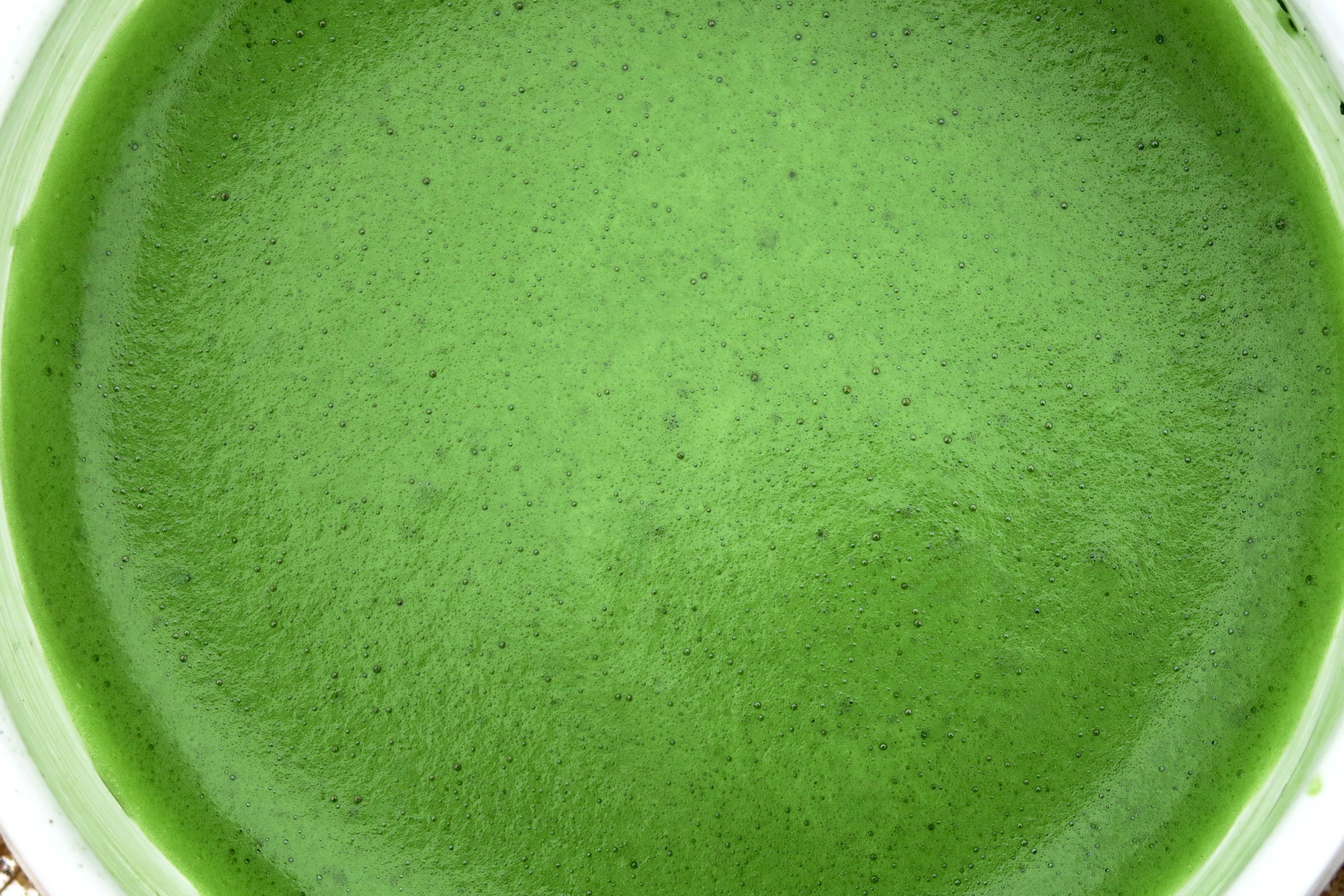
A good indicator of matcha quality is its color. High-quality matcha should be a vibrant, bright green, reflecting the high chlorophyll content from the shading process. The greener the matcha, the higher its quality. Lower-grade matcha tends to have a duller, yellowish or brownish hue, which can indicate older leaves, improper storage, or a lack of shading during growth.
5. Texture
The texture of matcha can also reveal its quality. Ceremonial matcha should be incredibly fine, almost silky, resembling baby powder. This allows it to dissolve easily when whisked, creating a smooth and frothy tea. Culinary matcha may have a slightly coarser texture, which is better suited for blending into recipes but less ideal for a delicate tea experience.
6. Taste
Finally, the flavor is the ultimate test. Ceremonial matcha should have a rich, umami taste with natural sweetness, minimal bitterness, and a smooth finish. It should be complex, with grassy, sweet, and slightly savory notes. Culinary matcha, on the other hand, often has a more astringent and bold flavor, making it better for mixing into smoothies, lattes, or baked goods where its bitterness can be balanced with other ingredients.
Look Beyond the Labels
Understanding the true quality of matcha requires looking beyond ceremonial and culinary labels. The region of production, shading process, harvest time, color, texture, and taste are all important factors that influence matcha’s grade and quality. Whether you’re looking for a matcha to enjoy on its own or to incorporate into your favorite recipes, taking the time to assess these qualities will ensure you’re getting the best matcha for your needs.
When choosing your matcha, remember that the labels are just starting points. The real key to great matcha lies in understanding the craftsmanship behind its production—whether it’s for a mindful tea ritual or a delicious culinary creation.