How the Quality of Matcha Affects Its Flavor
Not All Matcha is Created Equal
Matcha is far more than just green tea. It’s a carefully cultivated, finely ground expression of time, climate, and craftsmanship. Rich in antioxidants, L-theanine, and vital nutrients, matcha has long been treasured in Japan for both its invigorating and meditative qualities. But its value depends entirely on one thing: quality.
The gap between high- and low-quality matcha is wide. It’s in the taste, the color, the aroma—and in how your body responds. Some matcha is smooth, vibrant, and deeply calming. Others are harsh, bitter, and lackluster. The difference begins long before the tin is opened.
What Defines High-Quality Matcha?
True matcha is shaped by precision and care at every step—from the field to the cup. Here’s what sets it apart.
Shading
Roughly three weeks before harvest, tea plants destined for matcha are shaded from the sun. This process slows growth and increases both chlorophyll and L-theanine, creating that deep green hue and soft umami flavor. The more refined the shading technique, the more complex and nutrient-rich the result.
Leaf Selection
The finest matcha is milled from the youngest, most tender top leaves. These leaves contain the highest concentrations of nutrients and produce a clean, mellow taste. Lower-grade matcha is often made from older leaves or includes stems and veins, resulting in bitterness and lower nutritional density.
Grinding Method
Authentic matcha is slowly stone-ground—a laborious process that maintains its vibrant color and delicate flavor compounds. In contrast, high-speed machine grinding causes friction and heat, which oxidizes the tea, dulling both its taste and its appearance.
Harvest Timing
First harvest (Ichibancha) matcha, typically picked in early spring, is considered the highest quality. It's sweeter, smoother, and more nutrient-dense than later harvests, which are more astringent and typically reserved for culinary use.
How Quality Affects Flavor
Flavor is the most immediate indicator of matcha quality. A high-grade matcha is smooth, naturally sweet, and carries an elegant umami. Poorer grades taste bitter, grassy, and lack the complexity that defines ceremonial preparation.
High-Quality Matcha
-
Harvested during the first flush.
-
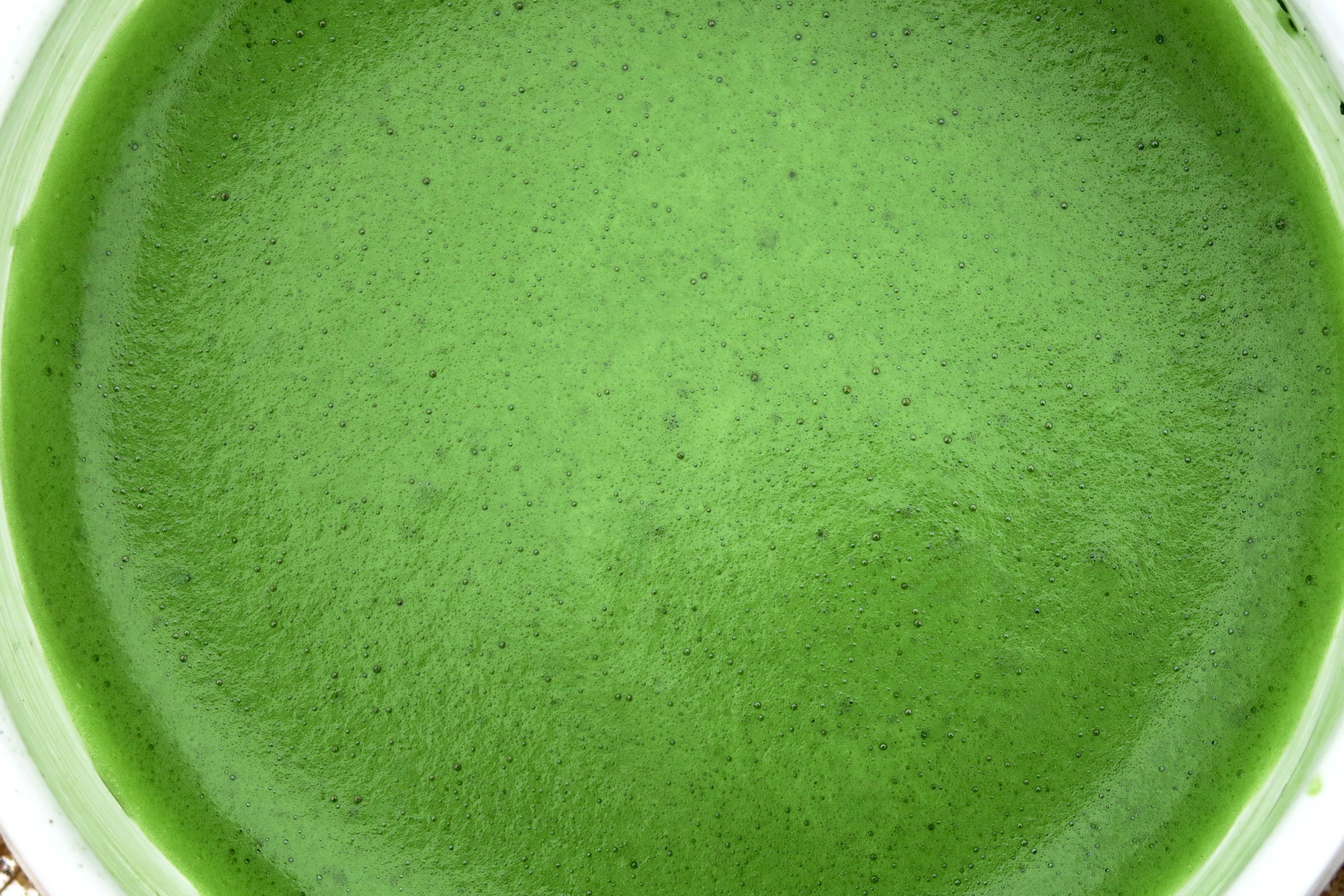
Deep green color with a fine, smooth texture.
-
Mildly sweet with umami undertones and little to no bitterness.
-
Ideal for drinking on its own, whisked with water.
Note: “Ceremonial grade” is not an official designation in Japan, but in the West, it’s used to describe matcha that meets these premium characteristics.
Lower-Quality Matcha
-
Made from later harvests or older leaves.
-
Duller in color and coarser in texture.
-
Bitter and sharp, with minimal umami.
-
Better suited for use in lattes, smoothies, or baking.
How Quality Affects Health Benefits
Unlike regular tea, matcha is consumed whole—leaf and all. This means every part of its cultivation affects its nutritional profile.
1. Antioxidants
Matcha is rich in catechins, especially EGCG, a powerful antioxidant known for its anti-inflammatory and cardiovascular benefits. High-quality matcha contains more of these due to optimal growing and processing conditions.
2. L-Theanine
L-theanine promotes calm alertness, clarity, and focus. It works in harmony with caffeine to deliver smooth, sustained energy. The richest levels are found in carefully shaded, young leaves—hallmarks of premium matcha.
3. Nutrient Density
Vitamins A, C, and E, along with potassium, calcium, and magnesium, are more concentrated in first-harvest, high-grade matcha. Lower-grade varieties, which include fibrous stems and older leaves, offer far less in comparison.
Choosing the Right Matcha
If you plan to drink matcha traditionally—whisked with hot water and sipped slowly—always choose a premium grade. The depth of flavor and the mental clarity it offers make the investment worthwhile.
For recipes like smoothies, desserts, or lattes where matcha is combined with other ingredients, a robust culinary grade is appropriate. It provides the health benefits of matcha and stands up to stronger flavors.
Why Quality Matters
Matcha is not just a drink—it’s a ritual. The quality you choose shapes the entire experience, from taste and aroma to the clarity and calm it brings. At AHLQEN, we honor the traditions of matcha by selecting only what meets our standards—cultivars and harvests that reflect craftsmanship, integrity, and respect for the leaf.
Explore deeper, and you’ll discover that true matcha is not simply consumed—it’s felt.
Curious about cultivars?
Matcha comes from specific tea plant varieties like Samidori, each with distinct flavor profiles and properties. Understanding cultivars adds another layer to your appreciation.
Sources
Babu PV, Liu D. Green tea catechins and cardiovascular health: an update. Curr Med Chem. 2008.
Kochman J, Jakubczyk K, et al. Health Benefits and Chemical Composition of Matcha Green Tea: A Review. Molecules. 2020.